 Search
 02 8329 9500




When Can You Sue Your Employer After A Building Site injury In NSW?
Construction work is a very physically demanding industry and carries a high rate of workplace injuries.
Construction work can be physical and is sometimes risky. Whether you are on a high-rise scaffold, operating heavy machinery, or repeatedly lifting heavy objects, accidents do happen, and the consequential injuries can be life-changing.

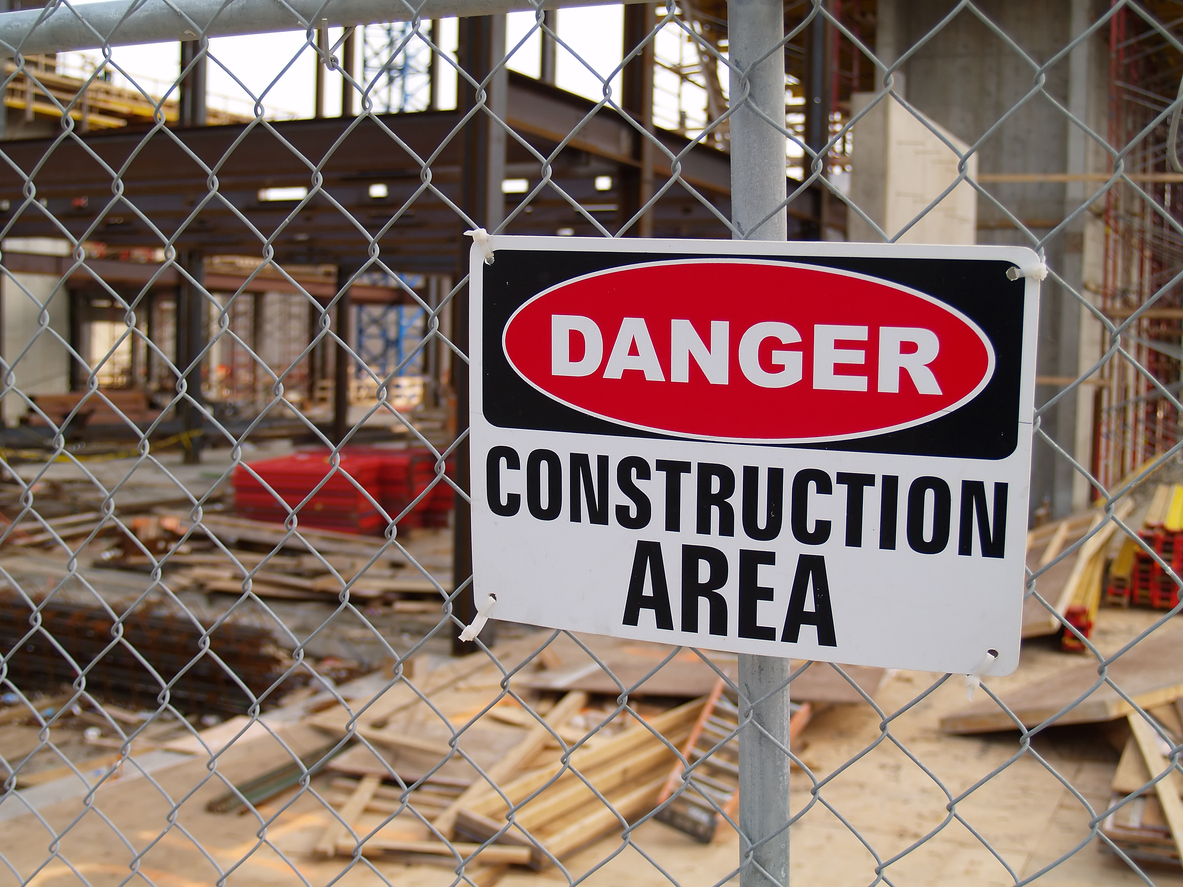
Our guide below explains how you can sue your employer after a construction site injury in NSW.
In New South Wales (NSW), workers’ compensation can help you if you have been injured at work. In accidents that include employer negligence, you may be able to sue your employer for work injury damages. Our guide below explains when you can sue your employer after a building site injury in NSW.
What is the difference between a Workers’ Compensation claim and Work Injury Damages?
Immediately following your accident on a construction site, you will file a workers’ compensation claim. Your workers’ compensation claim will give you access to:
- Weekly payments to cover lost wages while you are unable to work
- Medical expenses and rehabilitation costs
- Lump sum payments
In NSW, workers’ compensation operates on a no-fault basis, meaning you can receive benefits regardless of who was responsible for the accident.
If, however, your injury resulted from your employer’s negligence, you may be eligible to receive additional lump sum compensation. This is also known as a work injury damages claim. In a work injury damages claim, you need to prove that your injury was the result of your employer’s negligence.
Work Injury Damages – The Legal Threshold
To qualify for a Work Injury Damages, claim, you must;
- Prove your employer was negligent. This means that during your employment, your employer failed to take reasonable care for your safety, which resulted in your accident.
- You have a permanent impairment equal to or greater than 15% WPI.
Work Injury Damages – Time Limitation
You must commence your claim for Work Injury Damages within 3 years of your injury. If you do not meet this requirement, you will need to request leave from the District Court of NSW to commence out-of-time proceedings. Leave is often granted, but if it is declined, you cannot proceed with a claim.
Proving Negligence in a Construction Setting
Proving negligence can sometimes be challenging. In NSW, employers have a duty of care to provide a safe work environment for their employees. When this duty is breached, and employees are injured as a result, the employer can be held legally responsible.
Examples of Employers’ Negligence on Building Sites:
- Unsafe systems of work – for example, not having safe procedures for working at heights, operating machinery or lifting heavy items.
- Poor supervision – failing to properly monitor inexperienced or apprentice workers.
- Lack of training – allowing workers to do dangerous tasks without adequate instruction.
- Defective equipment – using tools or machinery that haven’t been adequately maintained, with no record or a poor record of servicing.
- Failure to provide protective equipment – not providing workers with appropriate PPE like helmets, harnesses, or gloves.
- Ignoring safety complaints – disregarding known risks on site.
In proving negligence, your lawyer will need to obtain evidence such as incident reports, company policy handbooks, witness statements, and expert opinions on what went wrong.
Work Injury Damages Claim – How to calculate compensation
Damages are a monetary compensation payable as a lump sum. They are designed to compensate you for –
- Past economic loss
- Future economic loss
- Loss of superannuation
- Once settled, weekly payments and medical expenses cease
- You keep your Statutory Lump Sum payment from your Workers’ Compensation Statutory Claim
Your total compensation will depend on factors such as:
- Your age and occupation
- The amount you earned before the injury
- Whether you can return to some form of work
- The extent and permanence of your injury
Building Site Negligence – Garling and Co Client examples
We have represented clients who have been injured because of their employer’s negligence in the following situations:
- Being required to assist with grinding metal without appropriate eye protection resulted in permanent vision loss.
- Falling off a roof where no fall protection or scaffolding was provided, resulting in a broken back, many surgeries and years of rehabilitation.
- Lifting heavy equipment out of a vehicle resulted in a significant degenerative lower back injury. Our client underwent a spinal fusion and years of rehabilitation and was unable to return to his prior duties.
- Crush injuries at work due to machinery failure, resulting in amputation of limbs.
If your injury was caused by employer negligence, you may be entitled to significant additional compensation. Contact Garling & Co today for expert advice on your work injury damages claim.
Garling & Co’s expert guidance ensures your whole person impairment assessment from your construction site injury in NSW is accurately assessed to reflect your actual injury and ensure you receive the benefits you are entitled to. Contact our Accredited Specialists today and start your journey to recovery.
Here are some links to helpful pages on our website that may be useful to you!